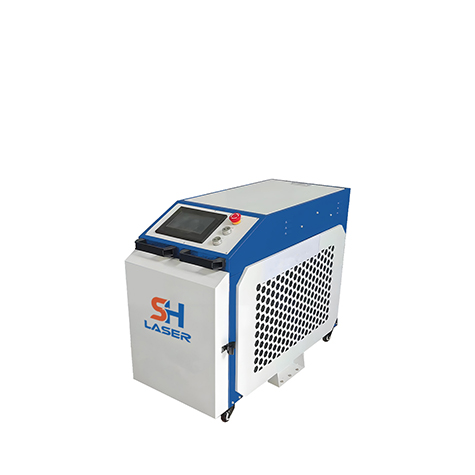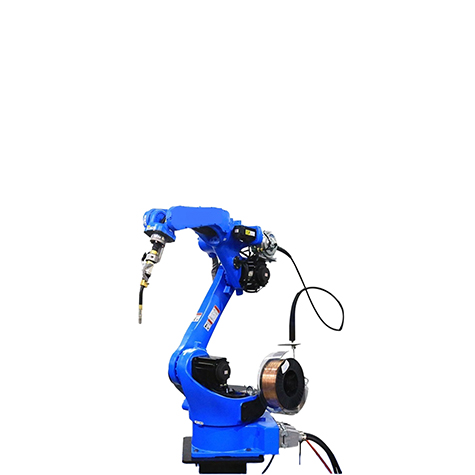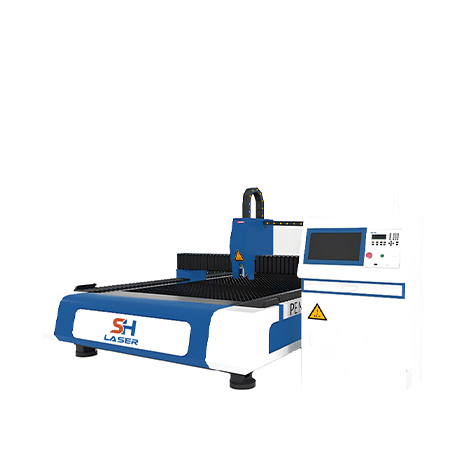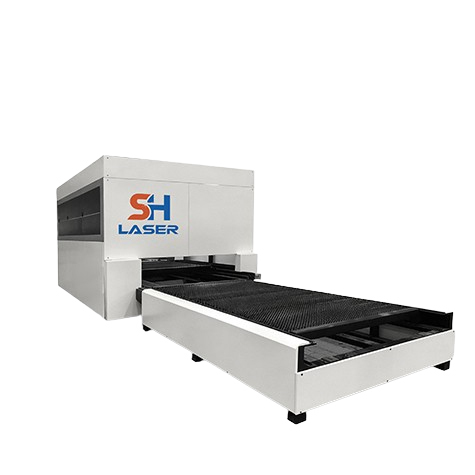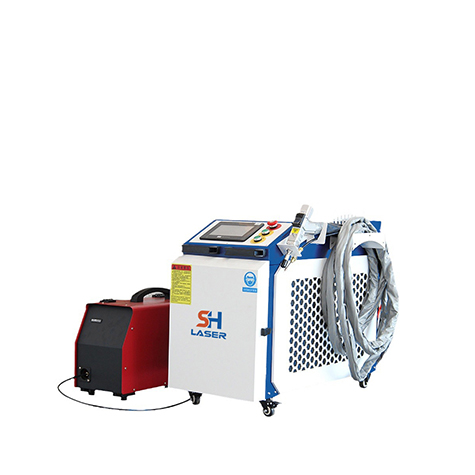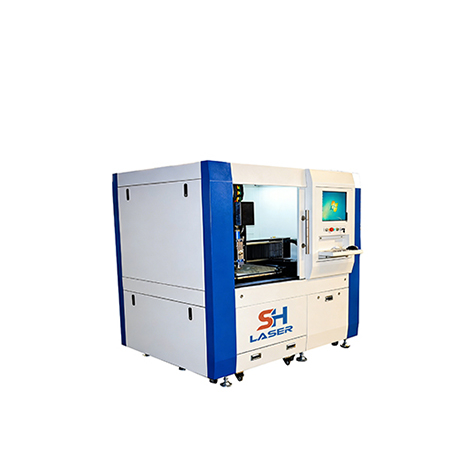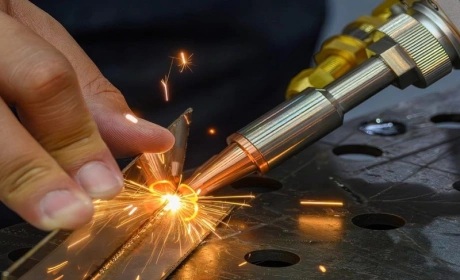
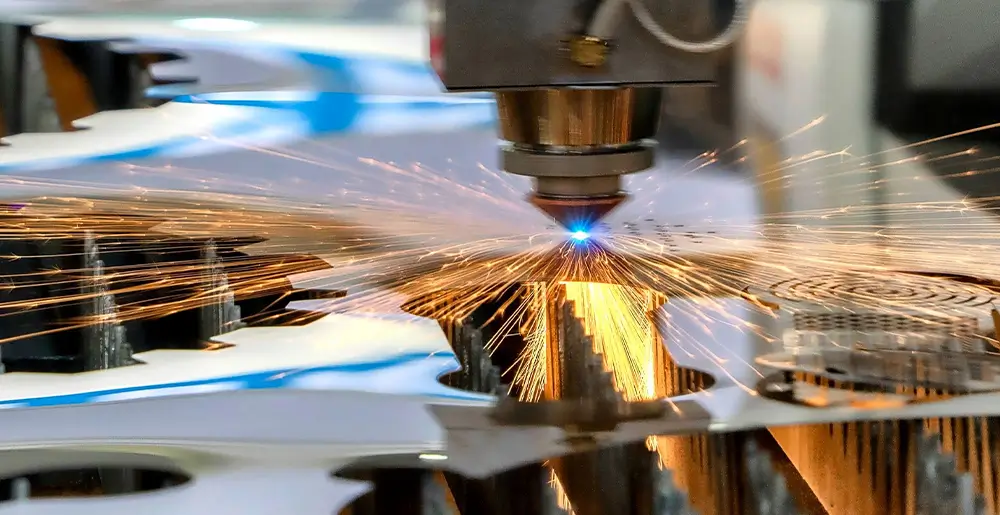
Fiber laser cutting machines have revolutionized industrial fabrication with their unmatched precision, high efficiency, low heat input, and versatility. Unlike traditional cutting methods (plasma, waterjet, or mechanical cutting), fiber laser systems deliver concentrated laser energy through optical fibers, enabling clean, burr-free cuts on metals and certain non-metals—even for ultra-thin or thick workpieces. Their ability to reduce material waste, minimize thermal distortion, and support high-volume production has made them indispensable across key industries worldwide.
Automotive Industry: High-Volume Precision for Vehicle Components
The automotive industry demands speed, consistency, and cost-effectiveness to meet mass production targets—making fiber laser cutting the go-to solution for component fabrication. With the rise of electric vehicles (EVs), the need for precise cutting of battery components and lightweight materials has further boosted adoption.
Key Applications
- Body & Chassis: Cutting of high-strength steel (HSS) and aluminum alloy sheets for car frames, door panels, and chassis components (thickness 0.8–6mm).
- EV Components: Precision cutting of battery case shells (aluminum/steel), busbars (copper), and motor laminations (silicon steel).
- Engine & Powertrain: Fabrication of engine brackets, fuel injectors, alternator housings, and air conditioning unit parts.
- Interior & Exterior: Cutting of plastic trim, dashboard frames, and exhaust system components.
Fiber Laser Advantages
- High cutting speed (up to 100 m/min for thin sheets) supports 24/7 production lines.
- Low heat input reduces material distortion—critical for EV battery casings and structural parts.
- Compatibility with automotive-grade materials (HSS, aluminum, copper, plastic) eliminates the need for multiple cutting tools.
- Integration with CNC systems enables automated, repeatable cuts (tolerance ±0.02mm).
Industry Trend
Major automakers (Toyota, Tesla, Volkswagen) have integrated fiber laser cutting lines to reduce production time by 30–40% compared to traditional stamping methods, especially for custom EV components.
Medical Device Industry: Micro-Precision for Life-Saving Equipment
Medical device manufacturing requires extreme precision, sterile processes, and compliance with strict regulations (ISO 13485, FDA). Fiber laser cutting excels at handling ultra-thin metals and delicate materials, making it ideal for micro-fabrication of critical medical tools.
Key Applications
- Implants: Cutting of titanium/alloy sheets for orthopedic implants (screws, plates), dental crowns, and pacemaker housings (thickness 0.1–1.5mm).
- Surgical Instruments: Fabrication of surgical blades, forceps, endoscope components, and catheter tips.
- Diagnostic Equipment: Cutting of stainless steel components for MRI/CT scan devices and blood testing tools.
- Micro-Components: Precision cutting of tiny parts (e.g., 0.3mm-diameter holes in surgical needles) with no burrs or material damage.
Fiber Laser Advantages
- Micro-cutting capabilities (spot size ≤0.1mm) meet the industry’s tight tolerance requirements (±0.005mm).
- No physical contact with the workpiece avoids contamination—critical for sterile medical devices.
- Low thermal impact preserves material biocompatibility (e.g., titanium implants retain corrosion resistance).
- Versatility for both metal (stainless steel, titanium, nitinol) and non-metal (biodegradable polymers) materials.
Compliance Note
Fiber laser cutting systems with traceability features (process logging, material tracking) help manufacturers meet FDA and EU MDR regulatory requirements for medical device production.
Aerospace Industry: Durability & Lightweighting for Extreme Environments
The aerospace industry prioritizes lightweight, high-strength components that can withstand extreme temperatures, pressure, and fatigue. Fiber laser cutting delivers the precision and reliability needed for airframe, engine, and avionics fabrication—while supporting fuel efficiency goals through material optimization.
Key Applications
- Airframe & Structures: Cutting of aluminum-lithium alloy, titanium, and composite panels for wings, fuselages, and landing gear components (thickness 1–20mm).
- Engine Parts: Fabrication of turbine blades, combustion chambers, and fuel nozzle components (nickel-based superalloys, titanium).
- Avionics: Precision cutting of aluminum housings for radar systems, navigation equipment, and satellite components.
- Fuel Tanks: Cutting of corrosion-resistant stainless steel and titanium for aircraft fuel storage systems.
Fiber Laser Advantages
- Ability to cut high-strength aerospace materials (Inconel, titanium) with clean edges—reducing post-processing (grinding, deburring).
- Reduces part weight by optimizing material layout (nesting software integration) and enabling complex geometries (e.g., honeycomb structures).
- Consistent cut quality ensures compliance with aerospace standards (AS9100, NADCAP).
- Lower operating costs compared to waterjet cutting (50% less energy consumption, no abrasive waste).
Industry Impact
Boeing and Airbus use fiber laser cutting for 70% of their structural components, reducing aircraft weight by up to 5% and improving fuel efficiency by 3–4%.
Electronics Industry: Miniaturization for Advanced Tech
As electronic devices become smaller and more complex (e.g., smartphones, wearables, semiconductors), the need for micro-precision cutting has grown exponentially. Fiber laser cutting handles the tight tolerances and delicate materials required for electronic component fabrication.
Key Applications
- Printed Circuit Boards (PCBs): Cutting of PCB substrates (FR-4, aluminum clad) and precision trimming of copper traces (thickness 0.05–0.5mm).
- Consumer Electronics: Fabrication of smartphone frames (aluminum, stainless steel), laptop casings, and battery enclosures.
- Semiconductors: Cutting of silicon wafers, semiconductor packaging materials (copper, ceramic), and micro-connector parts.
- LED & Display Technology: Precision cutting of glass substrates, LED heat sinks, and display panels.
Fiber Laser Advantages
- Micro-cutting precision (tolerance ±0.01mm) avoids short circuits in PCBs and damage to delicate components.
- Fast processing speed supports high-volume production of consumer electronics (e.g., 10,000+ smartphone frames per day).
- Compatibility with conductive materials (copper, gold) and non-conductors (glass, plastic) eliminates tool switching.
- Non-contact cutting prevents static damage to sensitive electronic components.
Emerging Trend
Fiber laser cutting is increasingly used for EV battery module components (e.g., busbar cutting, cell spacing) in the growing electric mobility electronics sector
Jewelry Industry: Intricacy & Versatility for Custom Designs
The jewelry industry relies on precision and artistry to create intricate designs with precious metals (gold, silver, platinum) and gemstones. Fiber laser cutting offers jewelers unmatched control for both production and repair work—without damaging delicate materials.
Key Applications
- Production: Cutting of gold/silver sheets for rings, bracelets, necklaces, and earrings (thickness 0.1–2mm). Intricate patterns (filigree, geometric designs) and custom shapes are easily achieved.
- Repair & Refurbishment: Precision cutting to resize rings, repair broken chains, or replace gemstone settings—with minimal material loss.
- Customization: On-demand cutting of personalized jewelry (e.g., engraved pendants, custom-fit wedding bands).
Fiber Laser Advantages
- “Free-moving” laser systems (stationary beam, handheld workpiece control) enable precise, hands-on design adjustments.
- Low heat input preserves the integrity of precious metals (no discoloration or structural weakening).
- Fast setup for small-batch or one-off designs—ideal for boutique jewelry brands.
- Clean cuts eliminate the need for polishing or finishing (reducing labor costs).
User-Friendly Feature
Modern fiber laser cutting machines for jewelry include intuitive software with design templates, making it easy for jewelers to translate sketches into finished products.
Tool & Die Industry: Durability & Repair for Manufacturing Equipment
The tool and die industry produces high-wear components (molds, jigs, fixtures, cutting tools) that require robust fabrication and efficient repair. Fiber laser cutting extends tool life, reduces downtime, and supports the production of precision dies for plastic injection, stamping, and casting.
Key Applications
- Mold Fabrication: Cutting of mold inserts, cavities, and cores (H13 steel, stainless steel) with complex geometries (thickness 5–50mm).
- Tool Repair: Precision cutting to remove damaged sections of dies or molds, followed by welding/reconditioning.
- Cutting Tools: Fabrication of end mills, drills, and shear blades (tungsten carbide, high-speed steel).
- Jigs & Fixtures: Cutting of custom workholding devices for manufacturing lines (aluminum, steel).
Fiber Laser Advantages
- High cutting power (up to 15kW) handles thick, hardened tool steels (HRC 50+) with ease.
- Precision cuts reduce tool wear and improve the accuracy of finished parts (e.g., plastic injection molds).
- No preheating required (unlike arc welding) reduces thermal stress in tool components.
- Fast turnaround for repairs minimizes production downtime (critical for manufacturing plants).
Cost Benefit
Fiber laser cutting reduces tool and die production time by 25–30% and extends tool life by up to 40% compared to traditional machining methods.
Key Takeaways: Why Fiber Laser Cutting Is Industry-Wide
Fiber laser cutting machines have become a cornerstone of modern manufacturing due to their:
Versatility: Cutting metals (steel, aluminum, copper, titanium) and non-metals (plastic, glass, ceramics) across thicknesses 0.1mm–50mm.
Precision: Tolerances as tight as ±0.005mm for micro-components and ±0.02mm for industrial parts.
Efficiency: 2–3x faster cutting speeds than CO₂ lasers, with lower energy consumption (30–50% less).
Cost Savings: Reduced material waste (nesting software), minimal post-processing, and long service life (100,000+ operating hours).
Whether you’re producing automotive EV components, life-saving medical devices, or intricate jewelry, fiber laser cutting adapts to your industry’s unique needs—delivering consistent quality, speed, and cost-effectiveness.
For customized fiber laser cut