
-
Fiber Laser Cutting Machine
-
Laser Cleaning Machine
-
Laser Marking Machine
-
Laser Welding Machine
-
Others
-
Press Bending Machine
Fiber Laser Cutting Machine
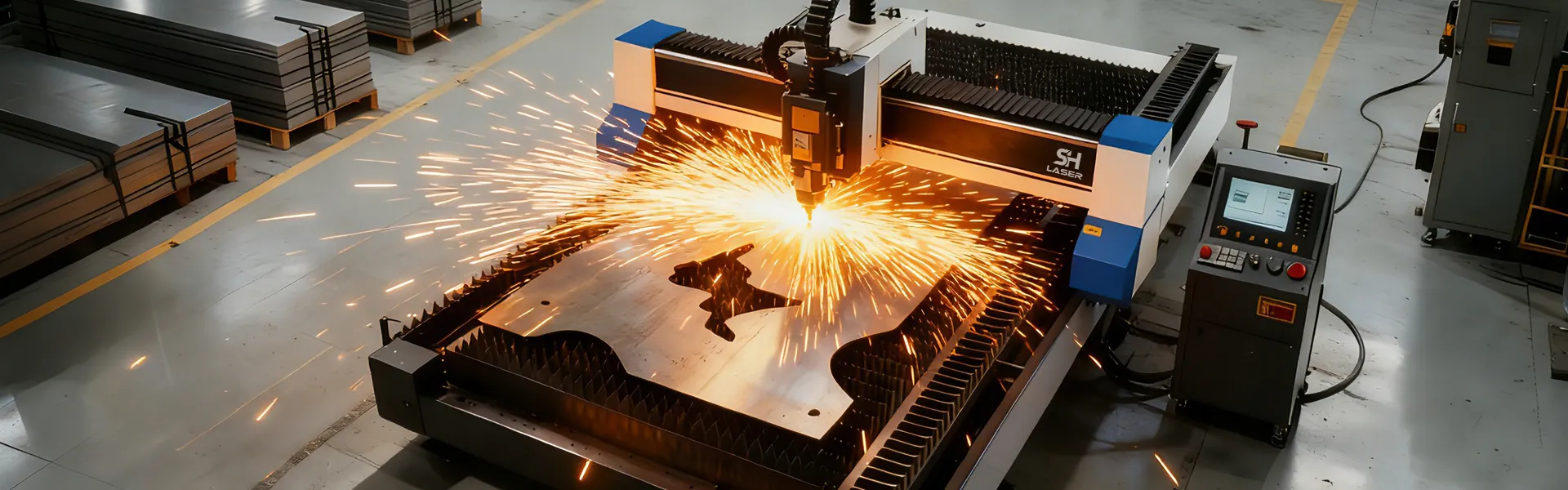
Whether processing tube or plate materials, our fiber laser cutting machines deliver exceptional precision to align with your exact production requirements—while streamlining workflows and resolving manufacturing bottlenecks efficiently.
Metal Sheet Laser Cutting Machine
-
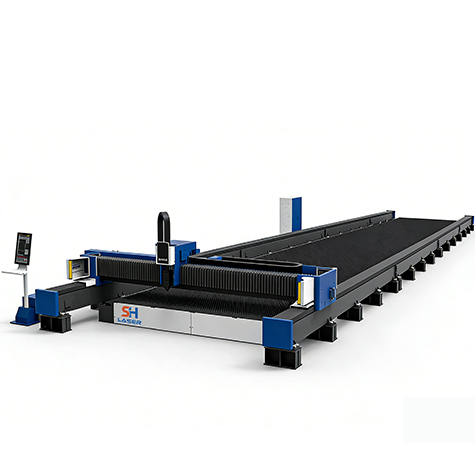
12000W Large Format Ground-Rail Gantry Laser Cutter Machine
-
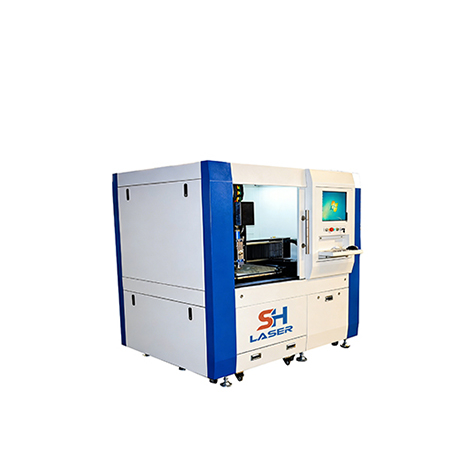
High-Precision Mini 6060 Fiber Laser Cutter with Linear Motor & Ball Screw Dual Drive
-
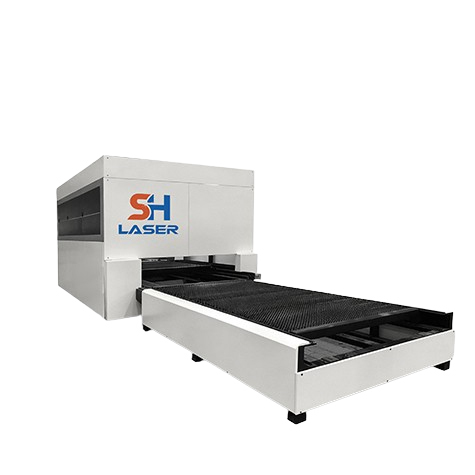
Manufacturers Supply 6000W 3015 | 5′x10′ Closed Switched Laser Cutting Machine
-
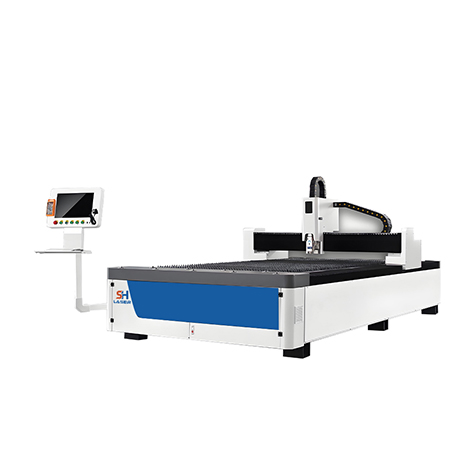
Manufacturer Supply Top Sale Open Type 3015| 5′x10′ CNC Fiber Laser Cutting Machine 1KW-30KW
-
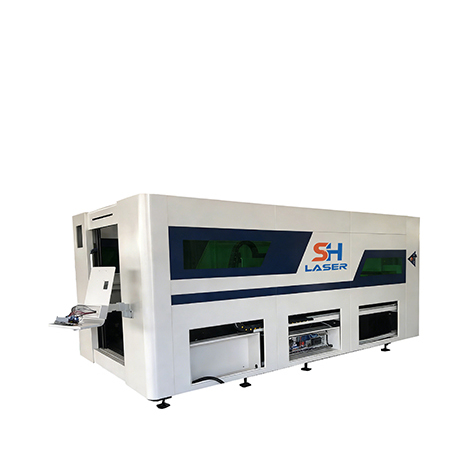
Full Enclosed High Power 6020 Double Platform Fiber Laser Cutting Machine
-
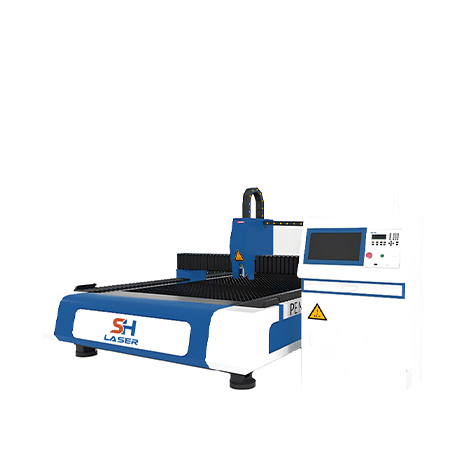
Open Fiber exchange platform Laser Cutting Machine 6025
Sheet & Tube Laser Cutting Machine


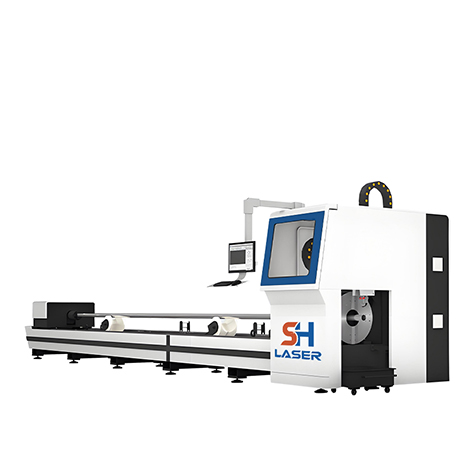
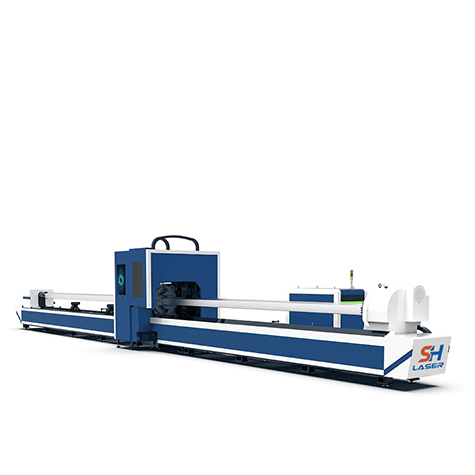
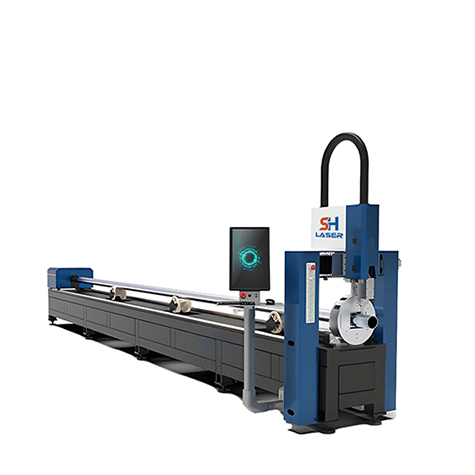
Tube Metal Laser Cutting Machine
Why Choose Us
We Are Your Strategic Partner, Not Just a Seller.
One-Stop Shop
Different jobs need different power lasers. We offer full solutions and accessories. Choose the ideal model by price, functions, budget and required features.
Market Insight to Save Your Money
We understand the trends and price points of the global laser market. We help you avoid overpaying for features you don’t need.
Rigorous Factory Audit & Pre-Shipment Inspection
We have a strict supplier qualification process. Every machine undergoes a comprehensive pre-shipment inspection and test run. We are your quality gatekeeper.
Video Acceptance Available
Before shipping, we can provide a detailed video of your machine’s test run, so you can see its performance with your own eyes.
Dedicated 1V1 Service Consultant
From your first inquiry to after-sales, you have a dedicated expert guiding you.
Frequently Asked Questions
Find quick answers to common questions below.
Our standard laser cutting systems offer the following typical cutting capacities (for reference, based on 1064nm fiber laser source):
Stainless steel: Up to 20 mm (1500W-6000W source)
Carbon steel: Up to 25 mm (1500W-6000W source)
Aluminum: Up to 16 mm (high-reflectivity material requires higher power)
Brass: Up to 12 mm (high-reflectivity material requires higher power)
If your material thickness exceeds this range, we can provide customized high-power laser systems (12kW-30kW) to meet your cutting needs.
Cutting precision: Typically ±0.02–±0.05 mm, with repeat positioning accuracy of ±0.01 mm, ensuring high consistency for fine parts.
Cutting speed: For 1 mm stainless steel, the speed can reach 30–50 m/min (1500W source); for 2 mm carbon steel, it can reach 15–25 m/min. The actual speed depends on material type, thickness, and laser power.
Warranty period: 12 months for the whole machine, and 24 months for the core laser source and cutting head.
Warranty coverage:
Free repair or replacement of defective parts caused by manufacturing quality issues.
Free technical support and remote troubleshooting.
Exclusions: Damage caused by improper operation, unauthorized modification, natural disasters, or consumables (e.g., nozzles, protective lenses).
Femtosecond laser systems require strict temperature control to ensure beam stability and component lifespan:
Operating ambient temperature: 20°C ±2°C (68°F ±3.6°F)
Laser source and optical component temperature: 18–22°C, maintained by a precision chiller with ±0.1°C temperature stability.
Avoid rapid temperature fluctuations, as this can cause thermal drift and affect cutting precision.
Standard coolant: Deionized water (resistivity ≥10 MΩ·cm) is recommended for precision laser systems to prevent scale and corrosion.
For low-temperature environments: Use a mixture of deionized water and ethylene glycol (ratio 3:1 to 4:1) to avoid freezing, ensuring the coolant has a freezing point ≤-10°C.
Avoid using tap water or distilled water, as they contain impurities that can clog the cooling circuit or corrode components.
The exact parameters depend on the laser power and system configuration, but typical values are:
Flow rate: 10–30 L/min (for 1500W-6000W fiber lasers); 30–60 L/min (for high-power femtosecond lasers).
Pressure: 0.2–0.4 MPa (2–4 bar), ensuring stable flow without causing excessive stress on the cooling circuit.
The chiller will automatically maintain these parameters, but we recommend checking the flow and pressure gauges daily to ensure normal operation.