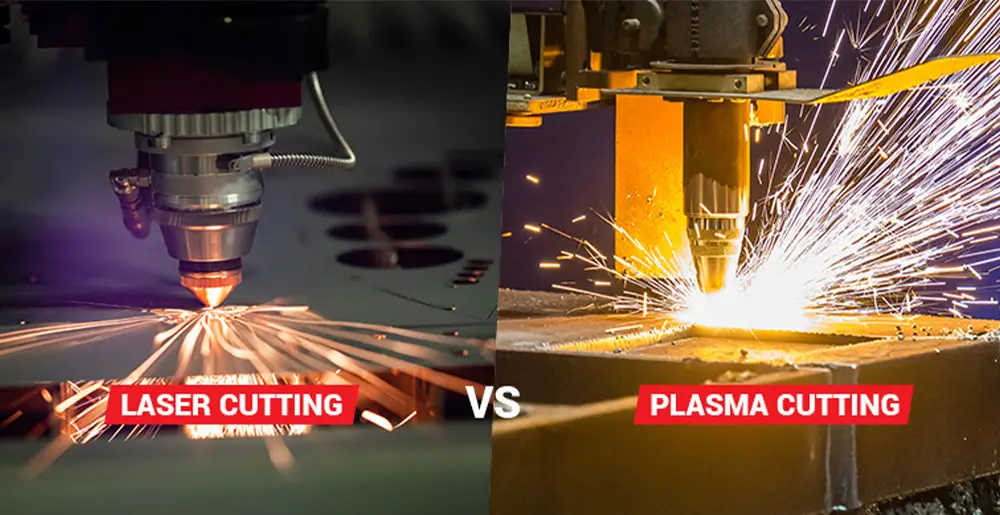
In industrial manufacturing—from automotive component production to heavy steel fabrication—choosing between laser cutting and plasma cutting hinges on more than just cutting precision or speed. Two critical, often overlooked factors that define long-term operational efficiency and cost-effectiveness are safety compliance and maintenance requirements. Both technologies use high-energy processes to cut metals, but their unique risks, upkeep needs, and service lifespans vary drastically.
This guide breaks down the safety protocols, maintenance best practices, and service life expectations for laser and plasma cutting systems. It’s designed to help manufacturers, plant managers, and safety officers make informed decisions, reduce downtime, and ensure regulatory compliance—backed by industry standards (ANSI, OSHA, ISO) and real-world operational data.
Safety Considerations: Mitigating Risks of High-Energy Cutting
Laser and plasma cutting both generate extreme heat, hazardous byproducts, and physical risks—but their safety challenges require targeted solutions. Below is a detailed comparison of key safety hazards and how to address them, aligned with global safety standards.
Optical Radiation: Protecting Against Invisible & Visible Hazards
Laser cutting systems emit intense, often invisible light that poses severe eye and skin damage risks, while plasma cutting’s primary threat is bright arc flash.
| Aspect | Laser Cutting | Plasma Cutting |
| Hazard Source | Invisible infrared (1064nm for fiber lasers) or CO₂ (10.6μm) wavelengths; visible green (532nm) for some systems | Visible arc flash (300-700nm) + ultraviolet (UV) radiation from open arc |
| Potential Harm | Retinal burns (permanent vision loss), skin erythema, or thermal damage (even brief exposure to 1064nm fiber lasers) | Arc eye (photokeratitis), skin burns, and UV-induced aging |
| Mandatory PPE | Laser safety glasses/goggles rated for specific wavelength (e.g., OD 7+ for 1064nm; per ANSI Z136.1-2024) | Tinted welding helmets (shade 8-12) + UV-resistant gloves/clothing (OSHA 29 CFR 1910.252) |
| System Safeguards | Enclosed cutting chambers with interlocks (auto-shutoff if door is opened); laser safety windows (attenuation ≥10⁶) | Open-air fume guards with arc shields; no interlock requirements, but barrier screens recommended for nearby workers |
Key Tip: For laser cutting, always verify that PPE matches the laser’s wavelength—using the wrong rating renders protection useless. For plasma cutting, ensure helmets have auto-darkening lenses to avoid delayed reaction to arc flash.
Electrical Hazards: Preventing Shock in High-Voltage Systems
Both technologies rely on high-voltage power supplies, but plasma’s open arc and conductive materials increase shock risk.
Laser Cutting: Most fiber laser systems operate at 220-480V AC with enclosed power units, minimizing exposure. Risks arise only during maintenance (e.g., servicing the laser source or cooling system).
Safety Protocols:
· Lockout/Tagout (LOTO) procedures during maintenance (per OSHA 1910.147).
· Annual insulation testing of high-voltage cables to detect wear.
· Grounding resistance ≤5Ω (measured quarterly) to prevent static buildup.
Plasma Cutting: Plasma torches use 200-400V DC (for industrial systems) with an open arc, creating shock risks if the torch or workpiece is poorly grounded—especially in damp environments or with coated metals (e.g., galvanized steel).
Safety Protocols:
· Ground the workpiece directly (not via the cutting table) with a copper clamp (≥25mm² cross-section).
· Inspect torch cables for fraying or damage before each shift (replace if insulation is compromised).
· Avoid standing in water or on wet surfaces when operating the torch.
Fume & Particulate: Safeguarding Respiratory Health
Metal cutting releases toxic fumes (e.g., hexavalent chromium from stainless steel, zinc oxide from galvanized metal) and fine particulates. Plasma cutting generates more visible smoke, but laser fumes can contain invisible, toxic compounds.
| Metric | Laser Cutting | Plasma Cutting |
| Fume Composition | Metal oxides (Fe₂O₃, CrO₃), volatile organic compounds (VOCs) from coatings | Metal dust (Fe, Al), zinc oxide (from galvanized steel), nitrogen oxides (NOₓ) from high-temperature air |
| Recommended Extraction | Downdraft tables (airflow ≥80 m³/h per m² of cutting area) + HEPA filters (99.97% particle capture) | Fume arms (positioned ≤30cm from arc) + activated carbon filters (for VOCs) + cyclone separators (to remove large particulates) |
| Regulatory Limits | OSHA PEL: 5 μg/m³ (hexavalent chromium); ACGIH TLV: 0.005 mg/m³ (chromium VI) | OSHA PEL: 5 mg/m³ (total particulate); 1 mg/m³ (respirable particulate) |
| Worker Monitoring | Annual respiratory fit testing (for N95/N100 masks) if extraction is partial | Monthly air quality sampling in high-volume operations (e.g., ≥8 hours/day of cutting) |
Case Example: A stainless steel fabricator switching from plasma to laser cutting reduced hexavalent chromium exposure by 72% after installing a HEPA-equipped downdraft table (per internal air quality tests).
Fire Risk: Controlling Heat & Sparks
Extreme heat (laser: up to 30,000°C; plasma: up to 20,000°C) and sparks create fire hazards, but laser systems pose hidden risks from enclosed chambers, while plasma sparks scatter widely.
Laser Cutting Fire Risks:
· Combustible dust (e.g., aluminum or magnesium shavings) accumulating in the cutting chamber.
· Flammable composites (e.g., carbon fiber-metal hybrids) igniting inside enclosures.
Mitigation:
· Automatic fire suppression systems (water mist or CO₂) linked to heat detectors in the chamber.
· Daily cleaning of dust trays to remove flammable debris.
Avoid cutting flammable materials (e.g., PVC-coated metals) unless the system has a dedicated fume incinerator.
Plasma Cutting Fire Risks:
· Sparks traveling up to 3 meters from the cutting area, igniting nearby paper, oil, or wood.
· Slag (molten metal) adhering to the cutting table, reigniting when exposed to oxygen.
Mitigation:
· Non-flammable cutting tables (e.g., steel grids with water pans) to cool slag.
· Fire extinguishers (Class D for metal fires, Class ABC for general fires) within 10 meters of the workstation.
· Clear 3-meter “no-flammables” zone around the cutting area (per NFPA 51B).
Maintenance & Service Life: Maximizing Uptime & ROI
The total cost of ownership (TCO) of cutting systems depends heavily on maintenance frequency, consumable costs, and service life. Laser systems generally require less routine upkeep but have higher upfront costs, while plasma systems are more labor-intensive but have lower initial investments.
Laser Cutting Maintenance: Low Routine Upkeep, Predictable Wear
Fiber laser systems, in particular, are known for reliability—thanks to fewer moving parts and no contact between the cutting head and material. Below is a maintenance checklist based on ISO 13003 (Laser Processing Safety and Quality) and manufacturer best practices:
| Component | Maintenance Task | Frequency | Key Notes |
| Optics/Lenses | Clean with isopropyl alcohol (99%) and lint-free wipes; inspect for scratches | Every 500-800 operating hours | Replace protective windows if scratches exceed 0.5mm (avoids beam distortion) |
| Cutting Nozzle | Inspect for wear (e.g., ovalization); replace if orifice diameter increases by 10% | Every 300-500 cuts (or after cutting thick metal ≥20mm) | Use brass nozzles for mild steel, ceramic nozzles for aluminum (reduces corrosion) |
| Cooling System | Drain and replace coolant (deionized water + antifreeze); clean filters | Every 6 months | Maintain coolant temperature at 20-25°C (prevents laser source overheating) |
| Assist Gas System | Check for leaks (use soapy water on hoses); replace air filters | Monthly | Use high-purity nitrogen (99.999%) for stainless steel cutting (avoids oxidation) |
Service Life Expectations:
- Laser source (fiber): 100,000+ operating hours (≈10 years for 3-shift operations).
- Cutting head: 50,000-80,000 hours (with proper lens maintenance).
- Cooling unit: 8-12 years (replace pumps every 5 years).
Plasma Cutting Maintenance: High Consumable Use, Frequent Checks
Plasma systems are durable but rely on consumable torch parts that degrade quickly—especially in high-volume or thick-metal cutting. Here’s a maintenance routine aligned with Hypertherm and Lincoln Electric guidelines:
| Component | Maintenance Task | Frequency | Key Notes |
| Torch Consumables | Replace electrode (worn tip), nozzle (eroded orifice), and swirl ring | Daily (high-volume: ≥50 cuts/day); weekly (low-volume) | Use OEM consumables—generic parts reduce cut quality and increase torch damage risk |
| Torch Body | Clean slag from the torch tip; inspect for heat damage (discoloration) | After each shift | Avoid touching the torch tip to the workpiece (causes immediate consumable wear) |
| Gas/Air Filtration | Replace air dryer filters; check nitrogen/oxygen pressure (3-5 bar for cutting) | Every 2 months | Low gas pressure leads to arc instability and poor cut edges |
| Cutting Table | Remove slag buildup with a chipping hammer; inspect grid alignment | Weekly | Misaligned grids cause workpiece movement and uneven cuts |
Service Life Expectations:
- Plasma power supply: 7-10 years (with annual electrical testing).
- Torch body: 3-5 years (if consumables are replaced promptly).
- Consumable cost: $50-$200 per day for high-volume cutting (e.g., 10mm steel, 100 cuts/day).
TCO Comparison: Laser vs Plasma
| Cost Factor | Laser Cutting | Plasma Cutting |
| Upfront Cost | $150,000-$500,000 (fiber laser, 1-10kW) | $50,000-$150,000 (industrial plasma system) |
| Annual Maintenance Cost | $5,000-$10,000 (lenses, coolant, filters) | $15,000-$30,000 (consumables, torch parts) |
| Uptime Rate | 95-98% (predictable maintenance) | 85-90% (unplanned downtime from consumable failure) |
| Lifespan Before Major Overhaul | 10-12 years | 7-8 years |
Conclusion: Choosing the Right Technology for Your Needs
The decision between laser and plasma cutting isn’t just about precision—it’s about aligning safety and maintenance needs with your operational context:
- Choose Laser Cutting If: You prioritize low long-term maintenance, high uptime, and cutting precision (e.g., automotive parts, stainless steel components). It’s ideal for clean, climate-controlled facilities where optical radiation risks can be contained with enclosures.
- Choose Plasma Cutting If: You need to cut thick metals (≥20mm steel) at lower upfront cost, or operate in harsh environments (e.g., outdoor fabrication yards). Be prepared for higher consumable costs and more frequent safety checks.
Both technologies can be operated safely and efficiently with the right protocols. For laser systems, invest in quality PPE and enclosure interlocks; for plasma systems, prioritize grounding and consumable management. By balancing safety compliance with proactive maintenance, you’ll extend equipment life and maximize ROI.